
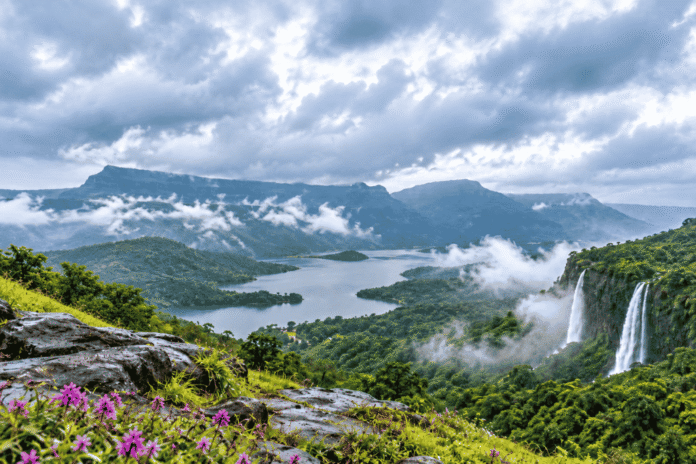
August and September are among the best months to explore the countryside around Pune. The monsoon transforms the Western Ghats into a landscape of mist-covered hills, overflowing waterfalls, green valleys, seasonal lakes and flower-covered plateaus.
For travelers living in Pune, this period also opens up several easy weekend getaway options. Some destinations are ideal for a quick morning drive, while others deserve an overnight stay to fully enjoy the scenery.
August generally brings heavier rainfall, stronger waterfalls and lush greenery. September, meanwhile, often offers a slightly more comfortable balance of rain, clearer views and seasonal flowers.
Top Places to Visit Near Pune in August and September
From flower-covered plateaus and misty mountain passes to waterfalls, forts and lakeside escapes, there is no shortage of places to explore around Pune during these months. The destinations below offer a mix of easy day trips, scenic drives and weekend getaways, depending on how far you want to travel and the kind of monsoon experience you are looking for.
Kaas Plateau
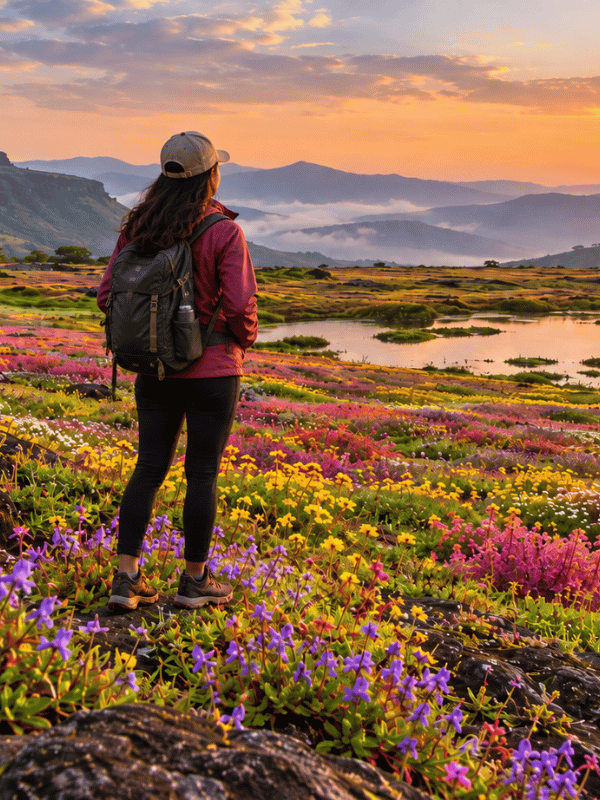
Kaas Plateau near Satara is one of the most unique seasonal attractions you can visit from Pune during this period.
Often compared to a natural flower garden, the plateau becomes known for its seasonal wildflowers after the monsoon rains. Different varieties appear at different stages of the season, which means the landscape can look completely different depending on when you visit.
September is generally the more interesting period for travelers hoping to see the plateau covered with flowers, although blooming conditions can vary from year to year.
The drive from Pune to Kaas also adds to the experience. As you move closer to Satara, the scenery gradually becomes greener, with hills, lakes and winding roads making the journey itself enjoyable.
Rather than treating Kaas as a quick photo stop, take time to walk through the designated areas and observe the smaller flowers growing across the plateau.
You can also read our complete Kaas Plateau travel guide before planning your visit.
Check: Best places to stay neat Kaas plateau
Lonavala and Khandala
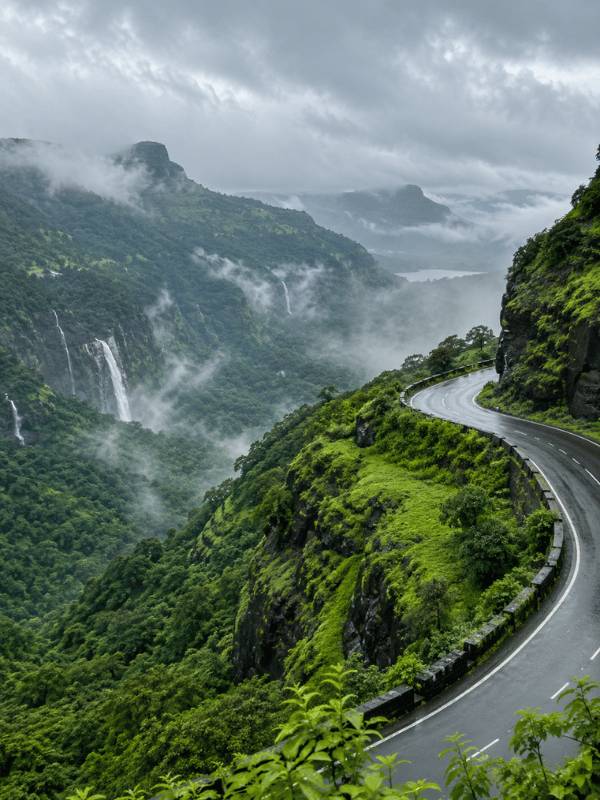
Lonavala and Khandala remain two of the easiest monsoon getaways from Pune.
During August, the hills are usually covered in thick greenery and waterfalls appear along several stretches of the Mumbai-Pune route. Clouds frequently move across the valleys, creating the misty atmosphere that makes this region so popular during the rains.
Popular viewpoints include Tiger Point, Lion’s Point and several smaller roadside viewpoints surrounding the hill station.
September can be particularly enjoyable because the landscape often remains green even as periods of continuous rainfall begin to reduce.
Lonavala works well for families, couples and groups looking for a simple day trip without extensive planning.
Try visiting early in the morning on weekends, as popular viewpoints can become crowded later in the day.
Tamhini Ghat
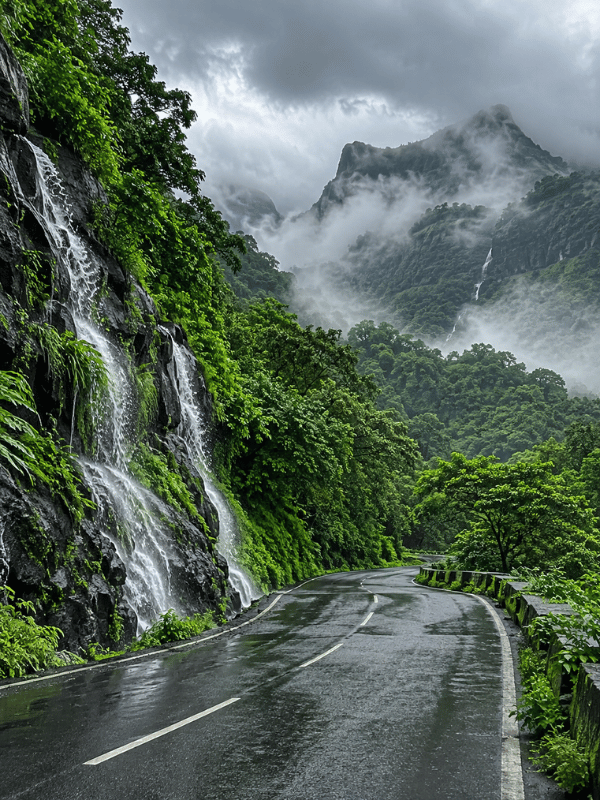
If your idea of a monsoon trip involves waterfalls, forested roads and dramatic mountain scenery, Tamhini Ghat should be high on your list.
The route passes through dense greenery, streams, valleys and small waterfalls that become especially active during August.
Unlike traditional hill stations, Tamhini Ghat is more about the journey than a single attraction. You can stop at viewpoints, enjoy the weather and continue driving through the landscape toward Mulshi and the surrounding areas.
September usually brings slightly better visibility while maintaining much of the greenery.
Drive cautiously during heavy rain because sections of the road may become slippery, and visibility can change quickly in fog.
Mulshi
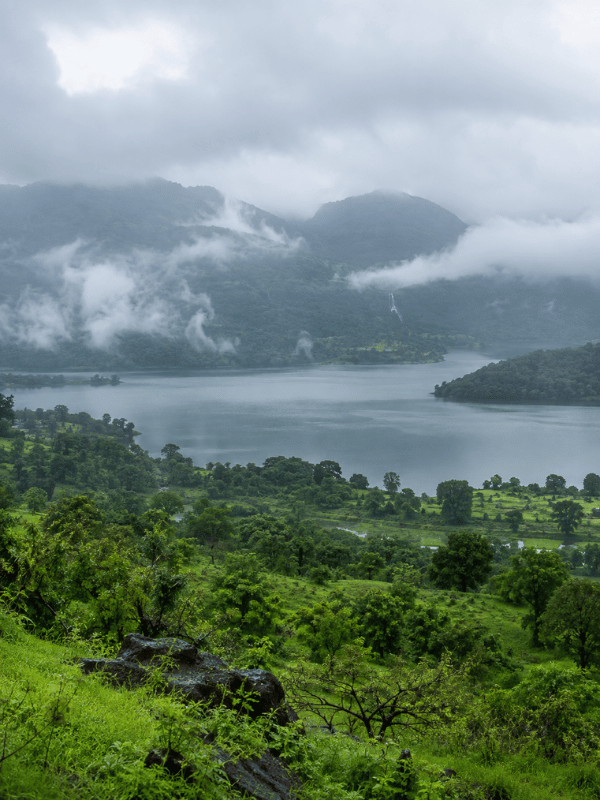
Mulshi is one of the easiest places near Pune for travelers looking for a quiet monsoon drive without travelling too far.
The region surrounding Mulshi Lake becomes particularly scenic during August and September. Green hills rise around the reservoir, clouds drift across the mountains and small waterfalls can often be seen along the roads.
Mulshi is well suited for slow travel. Rather than rushing between attractions, find a scenic viewpoint, enjoy a meal at a countryside restaurant or spend a few hours simply watching the changing weather over the lake.
It is also a convenient option for travelers who want to combine Mulshi with Tamhini Ghat on the same trip.
Check: Best places to stay near Mulshi dam
Malshej Ghat
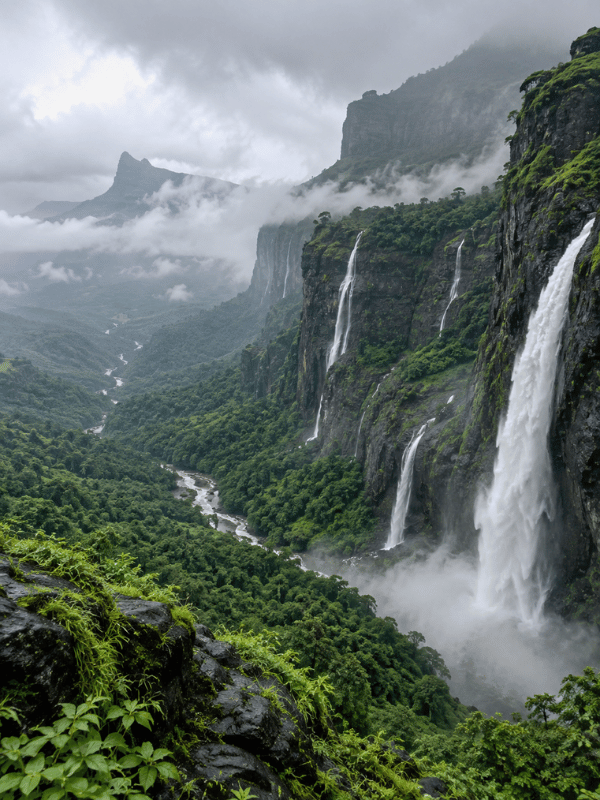
Malshej Ghat is another spectacular destination to experience Maharashtra during the monsoon.
Located between Pune and Thane districts, the mountain pass is known for steep cliffs, deep valleys and seasonal waterfalls cascading directly beside the road.
August generally offers the most dramatic waterfall experience, while September can provide a better chance of clearer valley views.
The route itself is one of the main attractions. Clouds often move across the road, and the surrounding mountains become intensely green.
Because the weather can change quickly, avoid stopping vehicles at unsafe bends or directly beneath unstable cliff sections.
Thoseghar Waterfalls
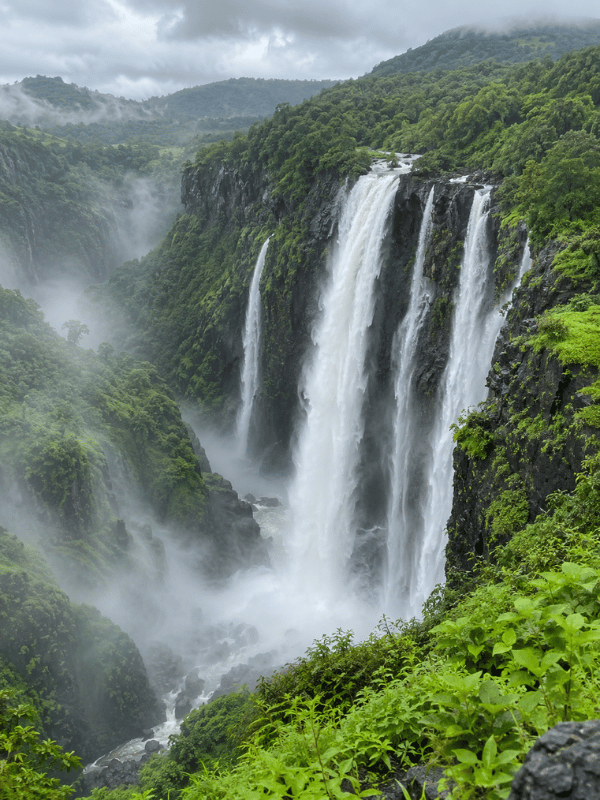
Thoseghar Waterfalls near Satara become especially impressive during the monsoon.
Several waterfalls drop into a deep valley surrounded by green hills, making this one of the most dramatic waterfall destinations within driving distance of Pune.
August is usually an excellent time for powerful water flow, while September may offer slightly more comfortable sightseeing conditions.
A designated viewing area allows visitors to observe the waterfalls from across the valley.
Thoseghar can also be combined with other attractions around Satara, making it possible to plan a longer weekend trip that includes Kaas Plateau and nearby viewpoints.
Bhimashankar
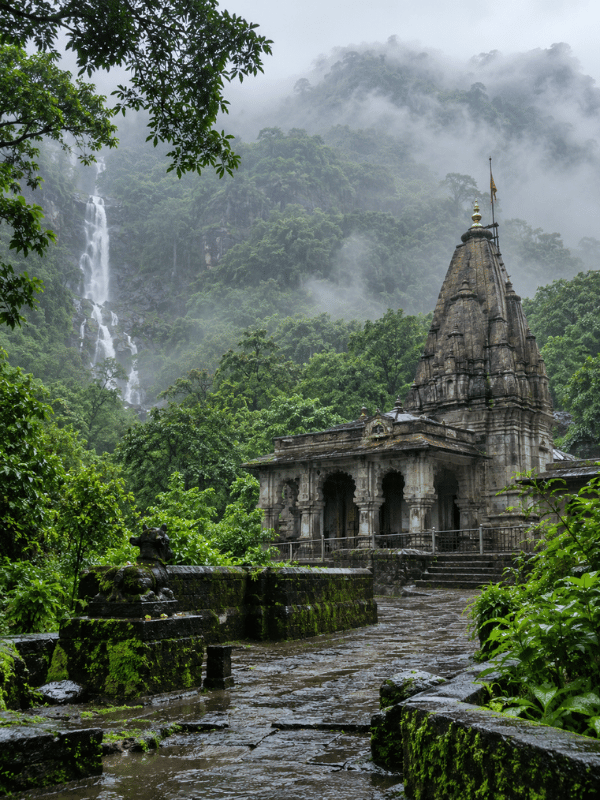
Bhimashankar offers a different monsoon experience by combining dense forest, mountain roads, religious importance and trekking opportunities.
The surrounding wildlife sanctuary becomes exceptionally green during August and September. Mist frequently covers the forest, while streams and waterfalls appear throughout the landscape.
The road journey itself passes through beautiful stretches of the Sahyadri hills.
Bhimashankar is also home to one of the twelve Jyotirlingas, so the destination attracts both nature lovers and pilgrims.
Travelers interested in trekking should pay attention to local weather conditions, as heavy rain can make forest trails slippery and more difficult.
Sinhagad Fort
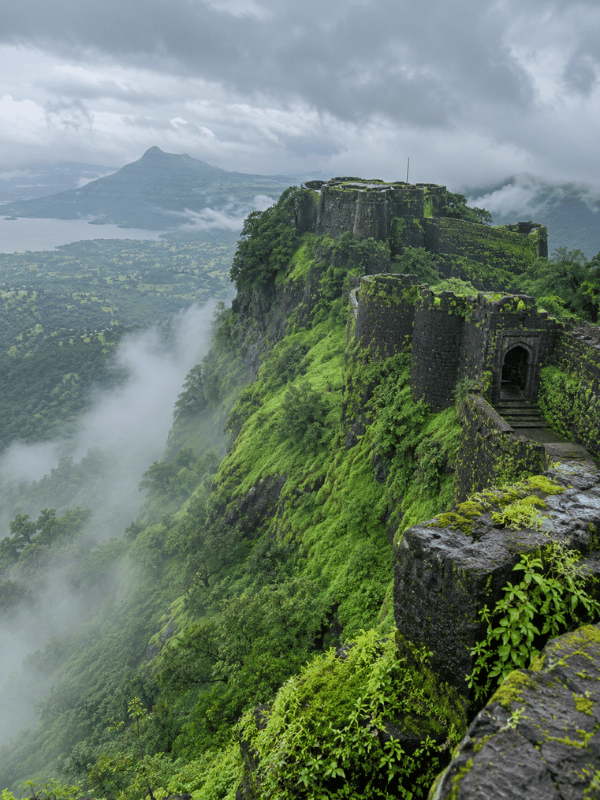
You do not always need to travel far from Pune for a memorable monsoon outing.
Sinhagad Fort is one of the closest options for an early morning drive or trek.
During August and September, the hills surrounding the fort turn bright green and clouds frequently move across the summit. On clear mornings, viewpoints around the fort offer sweeping views of the surrounding countryside.
Many visitors combine the trip with local food such as pithla bhakri, kanda bhaji and curd served at small eateries near the top.
Weekends can get crowded, so weekday mornings or very early weekend visits tend to offer a better experience.
Rajmachi
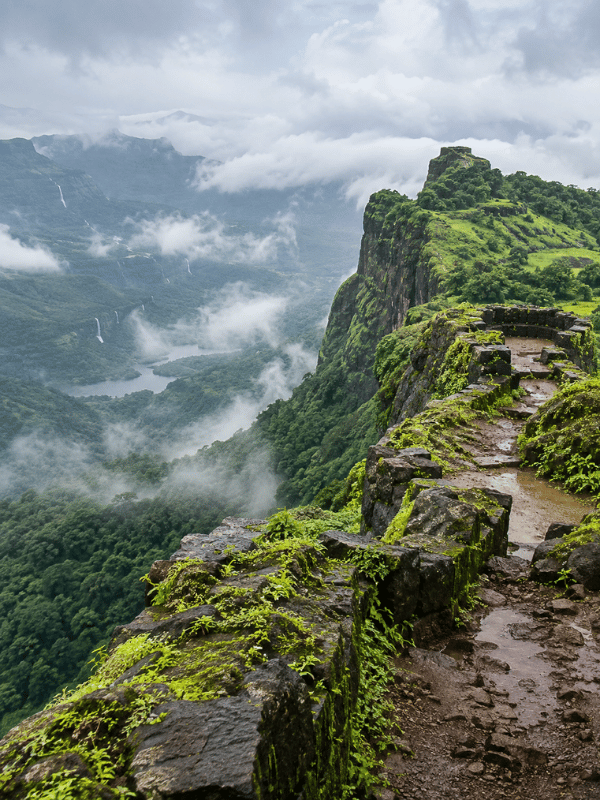
Rajmachi is a great option for travelers who want something more adventurous than a regular sightseeing trip.
Located near Lonavala, Rajmachi is known for its trekking routes, forts and wide views across the Sahyadri landscape.
The monsoon transforms the route with streams, waterfalls and greenery. August provides a more intense rain-soaked trekking experience, while September can sometimes make the trail slightly more manageable.
Because parts of the route can become muddy, proper trekking shoes and weather protection are strongly recommended.
An overnight stay in the village can also turn Rajmachi into a relaxed weekend getaway.
Bhandardara
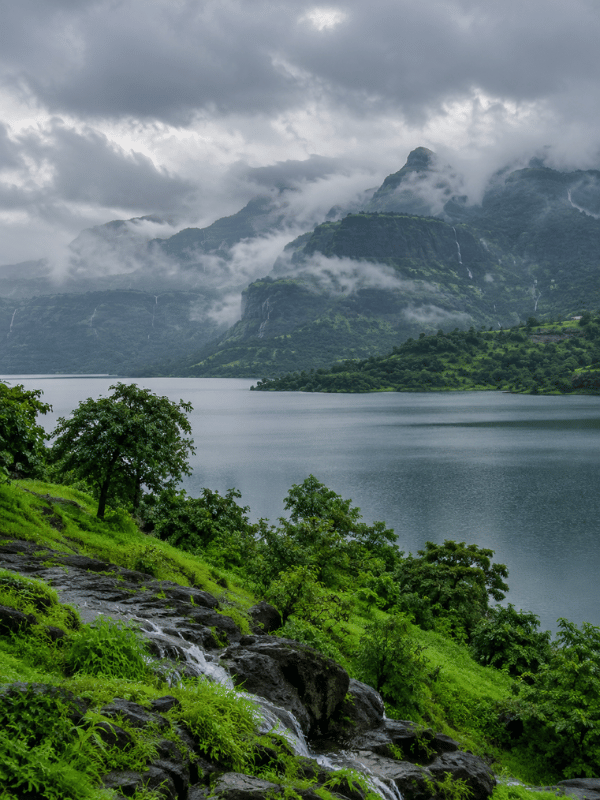
Although slightly farther from Pune than many other destinations on this list, Bhandardara is worth considering for a one-night monsoon trip.
The region is surrounded by mountains, waterfalls, lakes and greenery. Arthur Lake becomes particularly scenic during the rainy season, while nearby attractions such as Randha Falls become stronger after sustained rainfall.
Bhandardara is better suited to travelers who want to slow down and spend a full weekend surrounded by nature.
September can be a particularly pleasant time because the region usually remains green while travel conditions may become somewhat easier than during peak monsoon rainfall.
Lavasa and the Temghar Route
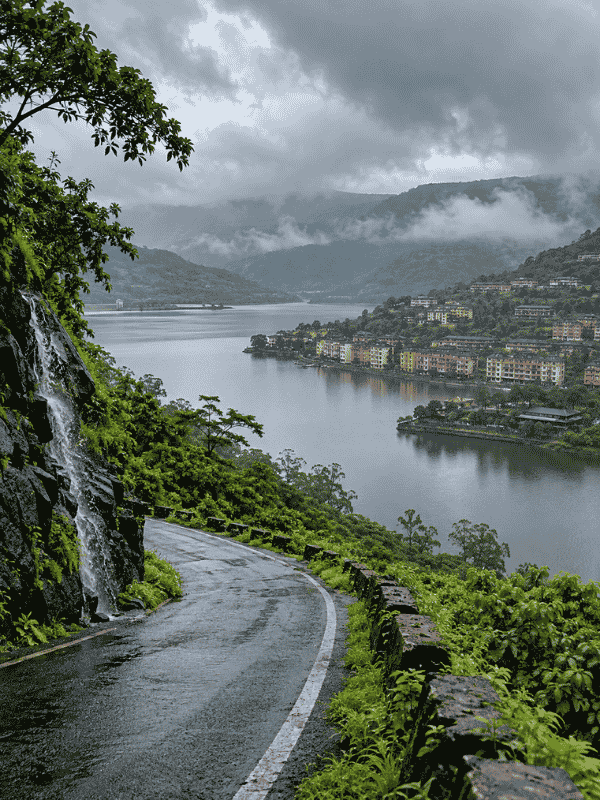
While Lavasa itself has gone through several changes over the years, the surrounding drive through the Temghar and Mulshi region can still be very scenic during the monsoon.
The winding roads pass through green hills, reservoirs and cloud-covered valleys.
Instead of making the township the sole purpose of the trip, consider treating the route as a countryside drive with stops at scenic viewpoints along the way.
This works particularly well for travelers looking for a short drive from Pune rather than a full-day itinerary.
Which Month Is Better: August or September?
Both months offer different experiences.
August is ideal if your priority is powerful waterfalls, dramatic clouds, heavy greenery and the full monsoon atmosphere. However, stronger rainfall can sometimes affect road conditions, visibility and outdoor activities.
September is often better for travelers who want greenery with slightly more comfortable weather. It is also an important month for seasonal attractions such as Kaas Plateau, where wildflowers begin drawing visitors from across Maharashtra.
If possible, plan different trips across both months rather than choosing only one.
Tips for Monsoon Trips From Pune
Weather conditions in the Western Ghats can change quickly during August and September, so check local forecasts before leaving.
Avoid standing directly under waterfalls, entering fast-moving streams or stopping vehicles on blind curves for photographs.
Wear footwear with good grip if you plan to trek, and carry a lightweight rain jacket instead of relying entirely on umbrellas.
Starting early also helps you avoid traffic and gives you more time to enjoy viewpoints before popular locations become crowded.
Most importantly, avoid leaving plastic, food packaging or other waste behind. Many of these landscapes are environmentally sensitive and receive thousands of visitors during the monsoon season.
A Different Side of Pune Every Monsoon
One of the biggest advantages of living in or visiting Pune is how quickly the scenery changes once you leave the city.
Within a few hours, you can reach waterfalls, flower-covered plateaus, mountain passes, historic forts, forest trails and quiet lakes.
From the seasonal beauty of Kaas Plateau to the misty roads of Tamhini Ghat and the dramatic waterfalls around Satara, August and September offer countless reasons to explore Maharashtra’s countryside.
Choose your destination based on the weather, leave early and allow enough time to enjoy the journey itself. During the monsoon, some of the most memorable moments often happen somewhere between Pune and the place you originally planned to visit.

