
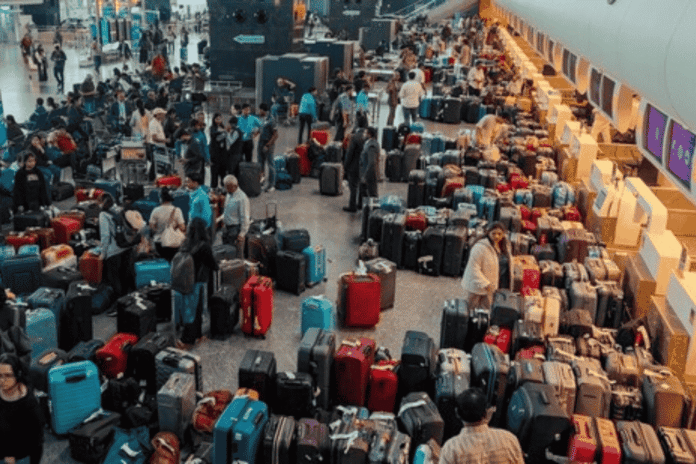
In early December, India’s aviation sector witnessed something unprecedented: over 1,000 IndiGo flights cancelled in just four days, leading to long queues at airports, stranded passengers, skyrocketing fares, and a nationwide ripple effect on travel plans. As India’s largest airline by market share—carrying more than half of all domestic flyers—IndiGo’s operational hiccup quickly turned into a national travel crisis.
But what exactly caused such a dramatic collapse in operations? And why did it unfold so quickly? Here’s a clear, detailed, and accessible breakdown of what went wrong—and what Indian travellers should expect next.
The Core Issue: New Pilot Duty-Time Rules Collided with IndiGo’s Existing Schedules
The biggest trigger behind the wave of cancellations was the implementation of new pilot duty-time regulations, introduced by India’s aviation regulator, the DGCA. The rules required:
- Longer mandatory rest periods for pilots
- Stricter limits on night-flying hours
- Tighter scheduling norms to reduce fatigue
On paper, these changes were designed to enhance flight safety. However, IndiGo—which runs one of the most highly optimized and tightly packed flight networks in the world—wasn’t prepared for the operational shock.
Why the rules hit IndiGo the hardest
Unlike some airlines that have more flexibility, IndiGo’s fleet utilization is extremely high. Each aircraft typically flies many short-haul sectors per day. When pilot rest-time requirements suddenly increased, many flight rosters became non-compliant overnight.
This resulted in:
- Unplanned crew shortages
- Last-minute disruption of flight sequences
- Inability to reassign pilots quickly across routes
In simple terms: pilots were available, but could not legally fly under the new rules. And because these changes came into effect quickly, IndiGo’s system-wide planning couldn’t catch up.
A Winter Schedule Ramp-Up Added More Pressure
The cancellations didn’t happen during a low season—they hit during the busy winter travel period, when demand surges and airlines operate denser schedules.
IndiGo had recently expanded flights on multiple sectors for the season, including early-morning and late-night departures. These timings are exactly where crew-duty rules tighten the most.
So the combination of:
- Peak travel load
- Packed flight schedules
- New rest-time mandates
created a perfect storm.
Aircraft-Level Software Advisories and Maintenance Holds
Adding to the roster chaos, a subset of IndiGo’s Airbus A320-family aircraft reportedly received software-related advisories requiring precautionary checks. Although not a safety emergency, such advisories often require short-term grounding of aircraft until inspections are completed.
Even if only a portion of the fleet is affected, in an airline as tightly scheduled as IndiGo, even 3–5% of unavailable aircraft can cause dozens of cancellations downstream.
This compounded the crew shortage issue—because even if crew were available for certain routes, the aircraft were not.
The Domino Effect: When One Cancellation Causes Ten More
One of the biggest misconceptions among passengers is imagining a flight cancellation as an isolated event. In reality, airlines operate tightly connected chains of:
- Aircraft rotations
- Crew rotations
- Gate allocations
- Ground-handling cycles
When even one flight early in the day is cancelled, it can disrupt:
- The pilot’s next scheduled flight
- The aircraft’s next sector
- Crew changes on future routes
- Airport slots and timing windows
This creates a cascade of cancellations, sometimes spreading across multiple cities. That’s exactly what happened: initial disruptions caused a system-wide gridlock.
India’s Busiest Airports Felt the Impact First
Airports like:
- Delhi
- Mumbai
- Bengaluru
- Chennai
- Hyderabad
saw massive queues at check-in and rebooking counters, as these hubs rely heavily on IndiGo’s dense schedules. At Chennai and Delhi in particular, nearly every hour saw cancelled or significantly delayed departures.
Passengers reported crowded terminals, long waits for assistance, and difficulty finding tickets on alternate airlines as fares surged instantly.
A National Ripple Effect: Even Trains Felt the Impact
The disruption wasn’t limited to the aviation sector. As cancellations mounted, demand shifted to railways. In response, Indian Railways announced additional coaches on premium trains to accommodate stranded travellers on high-demand routes.
This is a rare but telling indicator of how large IndiGo’s footprint is—and how its operational crisis influenced India’s broader transportation system.
Why the Crisis Escalated So Fast
IndiGo’s operational model is built on efficiency and speed, allowing the airline to run thousands of short-haul flights daily. But when such a tightly tuned system faces a shock—like regulatory changes—it doesn’t have much slack to absorb the impact.
Here’s why the disruption spiraled:
✔ Minimal buffer in crew rosters
IndiGo schedules pilots very efficiently. When duty-time rules tightened, hundreds of rosters became invalid at once.
✔ High aircraft utilization rates
Most IndiGo planes are airborne nearly all day. Even short groundings ripple across schedules.
✔ Rapid expansion
As IndiGo continues expanding routes aggressively, it leaves less room to absorb unexpected regulatory or operational changes.
✔ Dense airport operations
Major hubs like Delhi operate near peak capacity. Disruptions here have national consequences.
All these factors converged, amplifying the cancellation numbers within days.
Regulatory Intervention: DGCA’s One-Time Exemption
To stabilize operations and restore confidence, the aviation regulator temporarily granted IndiGo a one-time exemption from parts of the new night-duty restrictions. This allowed more flexibility in crew rostering and helped the airline resume a higher percentage of scheduled flights.
While this move offers immediate relief, it also raises questions:
- Is the exemption a temporary patch or a sustainable solution?
- Will IndiGo need months to fully align with new crew regulations?
- Should airlines have been given more preparation time before new rules took effect?
Are Passengers Entitled to Compensation?
IndiGo has stated that impacted passengers are eligible for:
- Refunds
- Free rescheduling
- Alternate flight options
However, compensation policies in India depend on whether the disruption is deemed within the airline’s control. Since duty-time rules and maintenance advisories fall into grey areas, travellers may still face inconsistent outcomes.
When Will Things Go Back to Normal?
IndiGo has assured passengers that operations will stabilize soon, but industry experts expect it may take:
- 2–6 weeks for schedules to normalize
- Longer for certain night routes or low-frequency sectors
- Months for crew planning to fully adapt to new regulations
Travellers should expect continued delays or cancellations on select routes until the network fully resets.
What Travellers Can Do Right Now
If you’re planning to fly with IndiGo in the coming days or weeks:
✔ Check flight status repeatedly (not just once).
Schedules are being updated frequently.
✔ Prefer daytime flights over late-night departures.
Night flying is where crew-rule restrictions hit hardest.
✔ Avoid tight connections.
Even short delays can make you miss the next leg.
✔ Keep alternate travel options ready.
Train or other airline backups may help in emergencies.
✔ Use travel insurance if you have it.
Many policies now cover trip disruptions and additional expenses.
Final Thoughts
IndiGo’s cancellation crisis is a reminder of how fragile aviation operations can be—especially in a country with exploding air travel demand. A mix of regulatory changes, scheduling constraints, seasonal traffic, and aircraft advisories brought the airline to an unexpected standstill.
Also check: Top 10 Airlines in India
The good news is that corrective steps are underway, and the situation is gradually stabilizing. But for travellers, this episode underscores the importance of planning flexibility, keeping an eye on real-time updates, and preparing for uncertainties during peak travel seasons.
Feature image source: Hindustan Times

