
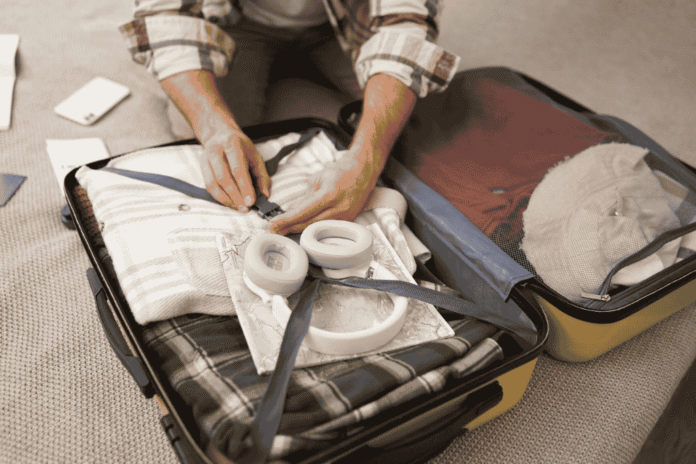
Packing for a week shouldn’t feel like a military operation, yet many travelers end up overthinking it, overpacking, or forgetting essentials. The goal isn’t to stuff your suitcase to the brim but to travel with confidence, comfort, and a bag that behaves itself. Whether you’re figuring out how to pack for a 7-day trip, building a practical packing list for a week, or simply trying to remember not to leave your charger in a hotel socket again. This guide keeps things grounded and realistic.
Before diving into the nuts and bolts, here is one thing seasoned travelers eventually learn: packing light doesn’t mean packing less; it means packing smart.
A practical start: the essentials you really can’t forget
Some items are replaceable; others aren’t. A forgotten T-shirt is annoying. A forgotten ID can be trip-ending. To stay sane, begin with what matters most:
- Documents: passport, ID, confirmations, any visas. Keep them in one zip pouch so you’re not rifling through multiple pockets like a panicked magician.
- Medications: bring original containers. Airport staff don’t appreciate mystery pills. Add a couple of basics like pain relievers or blister plasters; they weigh next to nothing.
- Electronics: chargers, adapters, power banks. Put everything in a single kit so you don’t leave a cable dangling from a wall somewhere.
- Daily-use toiletries: toothbrush, deodorant, and skincare you actually use. Not the twelve random minis that look cute in the shop but never leave their bottles.
- First-aid mini kit: a couple of bandages, safety pins, and a stain pen. The day you spill pasta sauce on your only dinner shirt, this becomes priceless.
A small trick many overlook: pack your underwear and socks first. Seven days means seven sets. No magic workaround.
Takeaway: the essentials are your foundation, and getting this part right makes the rest of packing much easier.
Packing Tips That Keep Your Suitcase Under Control
Once the basics are sorted, it’s time to prevent the real chaos: the moment your bag turns into a fabric volcano. Good organization is half the magic behind efficient packing.
Think in categories, not random items
Rolling clothes instead of folding them truly saves space and keeps fabrics smoother. Packing cubes help even more. One cube for tops and pants, one for workout or swim gear, and one for socks and underwear. When you arrive, you’re essentially sliding compact drawers into place.
Shoes: the silent space-killers
Limit yourself to two pairs plus what you wear. For most trips, one pair of walking shoes and one pair of versatile evening shoes is plenty. Stuff socks inside them to reclaim space and keep the shape intact.
Toiletries: controlled minimalism
Use leak-proof containers and a transparent case. Any liquid that can explode mid-flight eventually will, and a sealed case is the difference between annoyance and a full suitcase laundromat situation.
Electronics deserve structure too
Keep cables and chargers in mesh pouches. Tangled wires have a special talent for creating frustration right when you’re already running late.
Takeaway: when everything has a place, your suitcase becomes predictable instead of chaotic.
Packing that adapts to your destination
A packing list for a week looks entirely different depending on where you’re going. One-size-fits-all advice rarely works, so tailor your choices to the setting.
Beach locations
Quick-dry clothes, polarized sunglasses, and reef-safe sunscreen. Buying it at a resort often costs as much as a good dinner. Bring at least two swimsuits so you’re not wriggling into a damp one every morning.
City trips
A comfortable pair of walking shoes is essential. Add one nicer outfit in case you stumble into a good restaurant. Unplanned evenings are often the best part of city travel.
Cold climates
Layers win every time. Merino base layers and a lightweight down jacket outperform chunky sweaters and take a fraction of the space. If you’ve ever packed a giant wool sweater only to wear it once, you know the pain.
Outdoors and hiking
Moisture-wicking clothes, proper footwear, and a reliable rain jacket. Cotton on a trail is the enemy because once it gets cold or wet, you feel it immediately.
Takeaway: packing for where you’re actually going removes half the risk of overpacking.
Mastering the art of packing light
If you’re focused on how to pack light, here is a reliable rule of thumb: choose items that work in multiple outfits. Three tops and two bottoms can create six combinations, which is plenty for seven days if you’re alternating outfits.
A small table helps clarify what a flexible wardrobe looks like:
| Item | Why it earns its place |
| 1 lightweight jacket | Works for evenings, airports, unpredictable weather |
| 2 bottoms | One casual and one slightly dressier |
| 3 tops | Interchangeable and neutral colors |
| 1 pair walking shoes | High usage and low regret |
| 1 pair evening shoes | Enough versatility without bulk |
| 1 backup layer | Merino or thin fleece |
This is the kind of list that doesn’t collapse under real-world conditions, unlike the rigid “pack exactly ten pieces” advice that ignores spills, hot days, and last-minute plans.
Takeaway: versatility beats volume every time.
Before you zip up for good
Right before closing your suitcase, check everything against your list. Even experienced travelers forget obvious things like chargers, sunglasses, or deodorant. A 30-second review often saves a 30-euro airport purchase.
Packing well doesn’t guarantee a perfect trip, but it definitely guarantees a smoother one. With thoughtful organization, destination-specific gear, and a realistic approach to what you actually use, you’ll travel lighter and feel more prepared.
In the end, the best packing tip is simple: bring only what supports the trip you plan to take. Everything else just weighs you down.

